

2 November 2026
0
0
6 min read
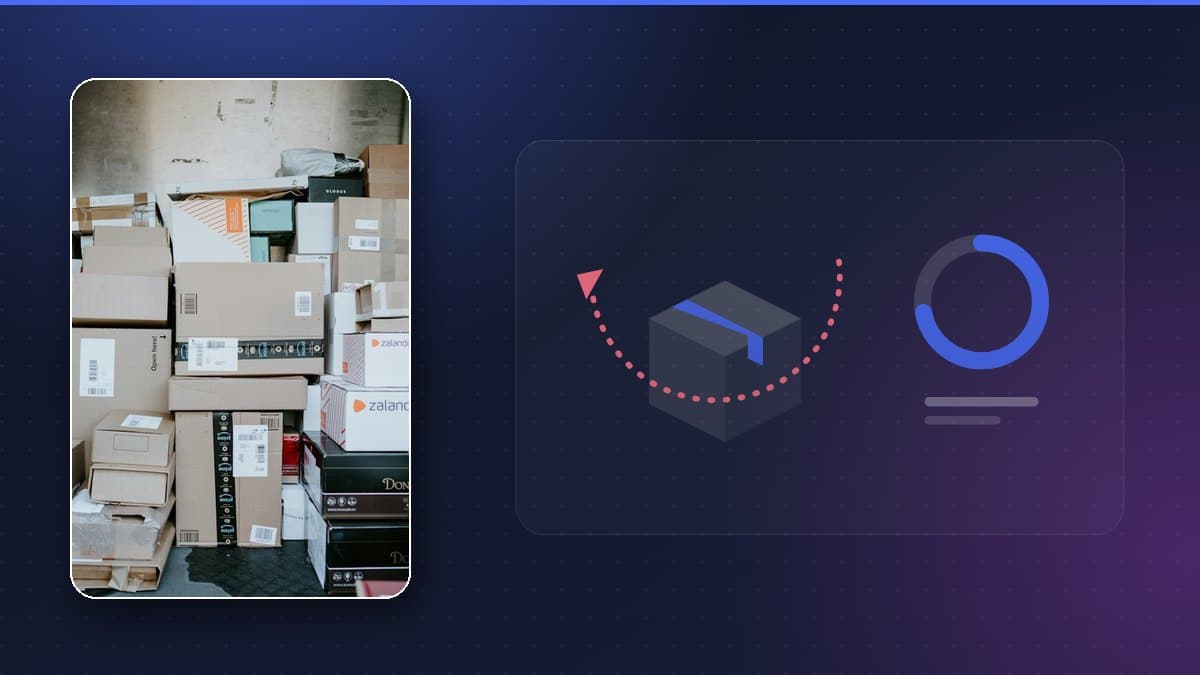
Every Indian dropshipper learns the same lesson eventually: the order isn't the sale. Cash on delivery is still how much of India prefers to pay, and a COD order that comes back unopened costs you shipping both ways, the ad that bought it, and the time your capital sat in transit. In 2026, RTO (return to origin) is the single biggest leak in most dropshipping P&Ls.
There is no audited national figure, so treat these as industry estimates, mostly from logistics and checkout providers. Analysis attributed to GoKwik, covering more than 180 million shoppers, puts India's average e-commerce RTO around 23%, and COD orders at about 26%. Prepaid orders, by contrast, come back in the low single digits in most datasets. The gap widens outside the big cities: one dataset puts COD RTO at about 37.5% in tier 3 and smaller towns against 18% in metros. Fashion is the worst category by a distance.
Estimates of what each RTO costs you, covering forward shipping, reverse shipping and handling, cluster around ₹180–250 per parcel, before counting the ad spend that acquired the order.
You won't get RTO to zero, so build it into your unit economics. The cost that matters is RTO cost per delivered order:
RTO cost per delivered order = cost per RTO × RTO% ÷ (1 − RTO%)
At a 25% RTO rate and ₹200 per returned parcel, that's ₹200 × 0.25 ÷ 0.75 ≈ ₹67 on every order that actually lands, and that's before the wasted ad spend. On a ₹499 product with a ₹150 margin, nearly half your profit is gone. Cut RTO to 15% and the same figure drops to about ₹35. That one change is often worth more than a better ad.
RTO rises in festive quarters. Gifts arrive late, impulse COD orders multiply, and courier networks are stretched. If you're scaling for the Diwali-to-Republic-Day season, tighten COD rules before you raise budgets, not after the returns arrive three weeks later.
The cheapest RTO fix happens before launch. Products with sizing, fragile parts, or a big gap between how they look in photos and in hand return more. When you compare candidates, weigh return risk alongside margin and saturation. DropStop's product scores include a return-risk signal for exactly this reason.