

2 November 2026
0
0
6 min read
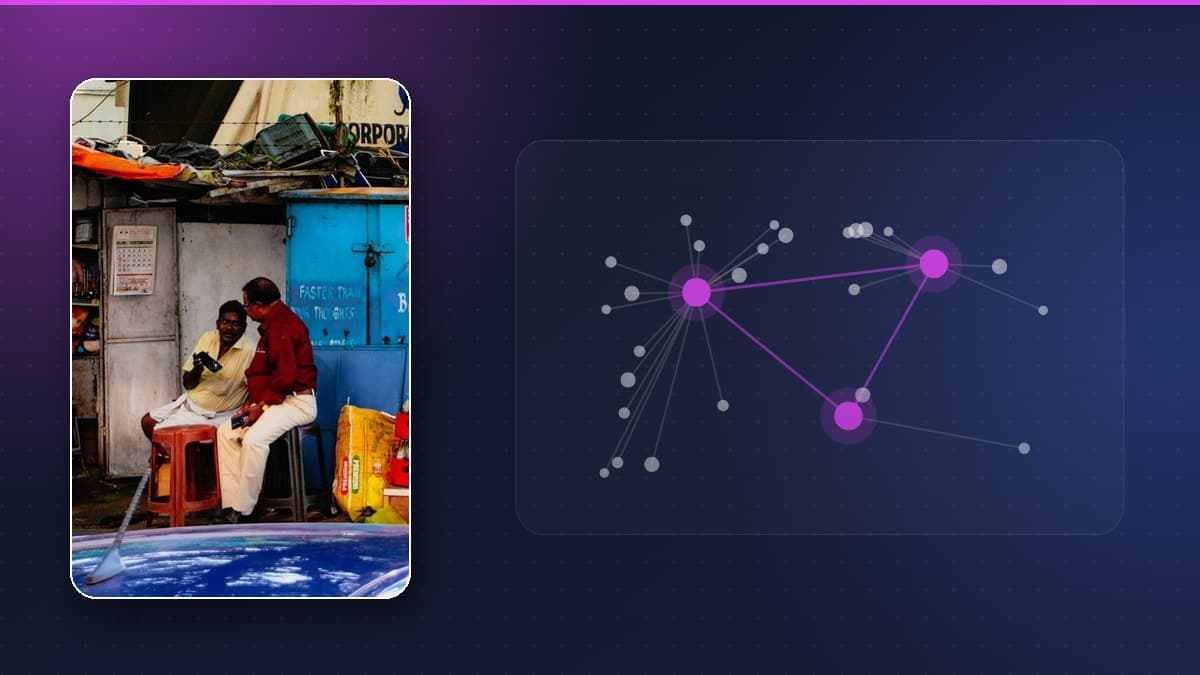
Ask any Indian marketplace where its growth comes from and you get the same answer: outside the metros. Snapdeal, for one, says more than 80% of its sales come from non-metro India. For dropshippers this is the most interesting market in the country. Competition from quick commerce is thin, ad audiences are large, and buyers are willing. It's also where returns can quietly wipe out your margin. Here's how to sell there profitably.
Demand is real, but so is the return problem. One industry dataset puts COD return-to-origin at roughly 37.5% in tier 3 and smaller towns, against about 18% in metros. Delivery takes longer, addresses are less standardised, and COD is closer to the default. None of this makes these markets bad. It means the way you price, confirm and ship decides whether they're profitable.
In smaller towns, the obstacle is trust more often than price. The ads that work tend to show the actual product in an ordinary home, not a studio, with the parcel being unboxed. They speak the buyer's language: Hindi or the regional language, with plain captions rather than marketing English. And they answer the unspoken questions directly, such as COD availability, how returns work, and that there's a real WhatsApp number to message. Short vertical video is the default format.
Our full guide to cutting COD RTO has a formula for pricing returns into your margin. Use it with your Tier 2/3 numbers, not your metro ones.
For a first test in these markets, marketplaces do some of the trust work for you. Buyers already know how returns and payment work there, and Meesho in particular has built its business on reaching smaller towns. Your own store gives you better margins and data, but you have to earn trust from zero. A common path is to validate demand on a marketplace, then move proven products to your own store with creatives aimed at the regions that bought them.
Don't target “Tier 2 and 3 India” as one audience. Pick two or three states where your supplier ships quickly, run a product there, and read the delivery and RTO data before expanding. These markets reward patience and punish blanket campaigns.